IKI Growing Greener Project: Key Highlights from the 2nd Regional Steering Committee
17 July 2025
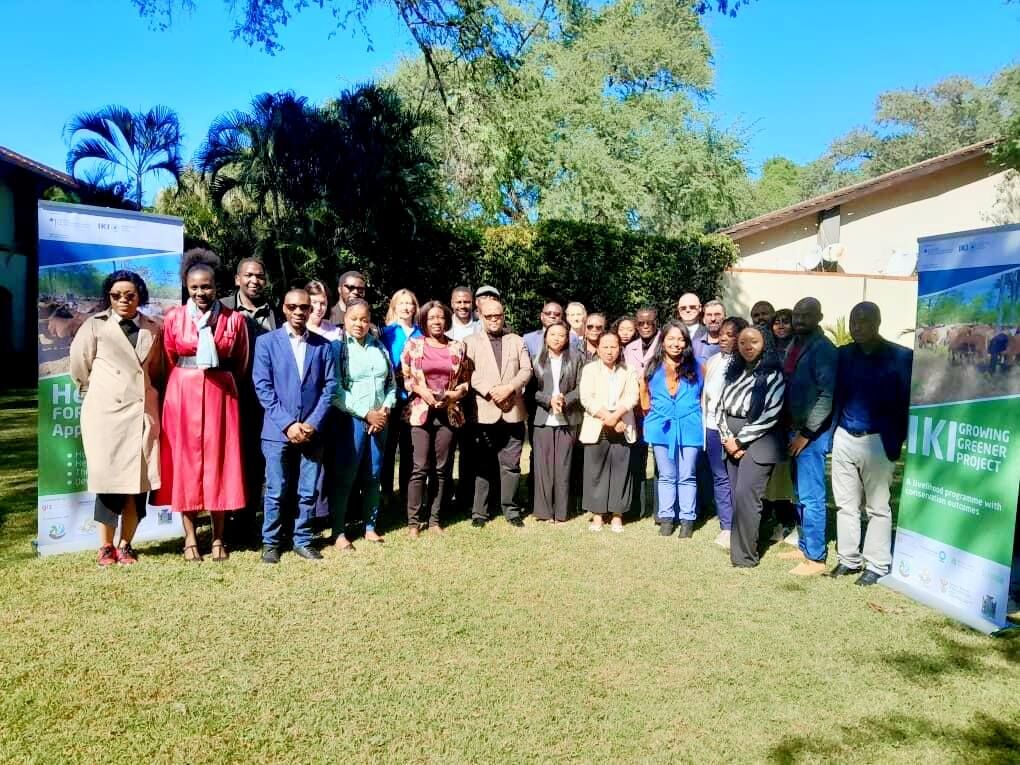
On 2-3 July 2025, the IKI Growing Greener Project convened its 2nd Regional Steering Committee (RSC) Meeting in Livingstone, Zambia. The meeting brought together consortium partners, government and technical partners from Botswana, Madagascar, South Africa, and Zambia, as well as representatives from Deutsche Gesellschaft für Internationale Zusammenarbeit (GIZ), German Federal Ministry for the Environment, Climate Action, Nature Conservation, and Nuclear Safety (BMUKN), Zukunft – Umwelt – Gesellschaft and the German Embassy in Zambia.
The Growing Greener Project is implemented by the Deutsche Gesellschaft für Internationale Zusammenarbeit (GIZ) in partnership with Conservation International (CI), Peace Parks Foundation (PPF), and the Centre for Coordination of Agricultural Research and Development for Southern Africa (CCARDESA).
Key government partners include:
- Botswana: Ministry of Lands and Agriculture; Ministry of Environment and Tourism
- Madagascar: Ministry of Agriculture and Livestock; Ministry of Environment and Sustainable Development
- South Africa: Department of Forestry, Fisheries and the Environment; Department of Agriculture
- Zambia: Ministry of Green Economy and Environment; Ministry of Fisheries and Livestock
The project, commissioned by the German Federal Ministry for the Environment, Climate Action, Nature Conservation, and Nuclear Safety (BMUKN) under the International Climate Initiative (IKI), aims to restore and promote the sustainable use of agro-pastoralist systems in arid landscapes across Southern Africa.
Highlights
A key milestone was the formal adoption of the Terms of Reference, presented by Dr. Misheck Musokwa, Landscape Management Technical Advisor for the IKI Growing Greener Project. His presentation highlighted the need for balanced representation, inclusive decision-making, and transparent governance structures to foster cooperation and accountability. The committee also agreed on equitable voting arrangements and confirmed that the 3rd and 4th RSC meeting will be hosted by South Africa and Madagascar respectively.
Participating countries reported notable progress and showed their tailored approaches to advancing climate resilience and sustainable land management. Innovations such as AgriHubs and commodity-based value chains were highlighted for linking biodiversity conservation with economic incentives, notably through connections with Peace Parks.
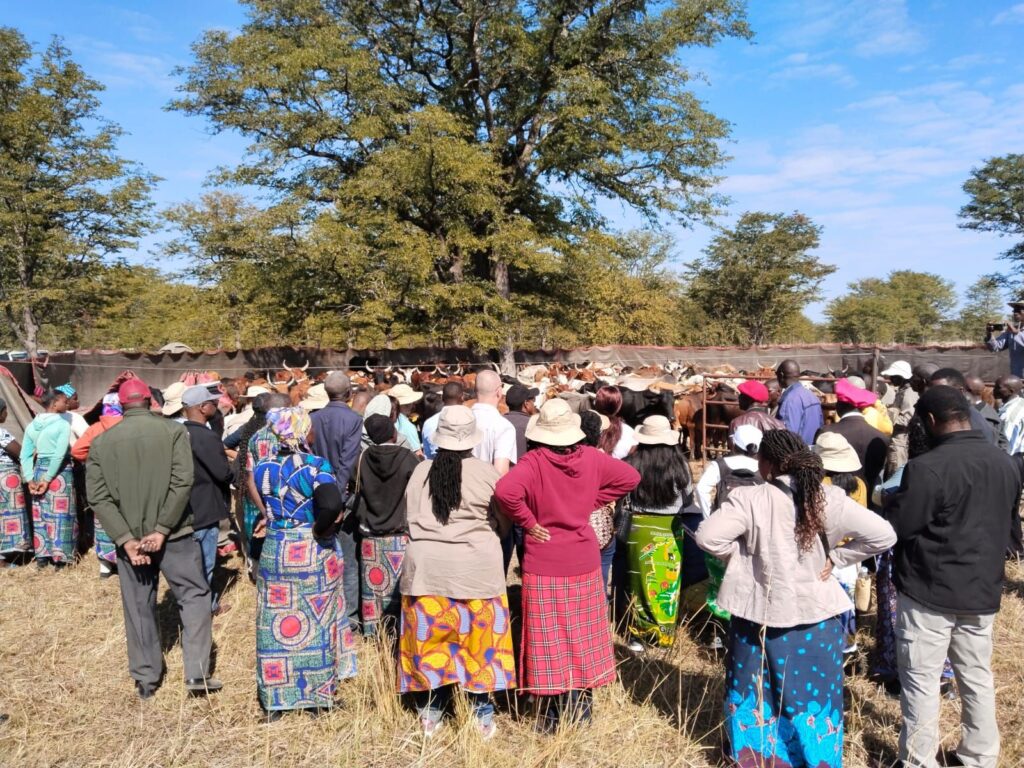
Delegates also visited Mwandi District, engaging with herders and community members implementing the Herding for Health (H4H) model – an integrated approach to rangeland restoration, improved livestock management, and community resilience. The visit concluded with a stop at Simalaha Conservancy, emphasizing coexistence between rural livelihoods and wildlife conservation.
Looking ahead, the committee stressed the importance of speeding up implementation to meet key goals and prepare for a midterm evaluation in late 2025 to mid-2026. The meeting concluded with a strong commitment to scaling successful approaches, enhancing capacity, and encouraging cross-country learning.